
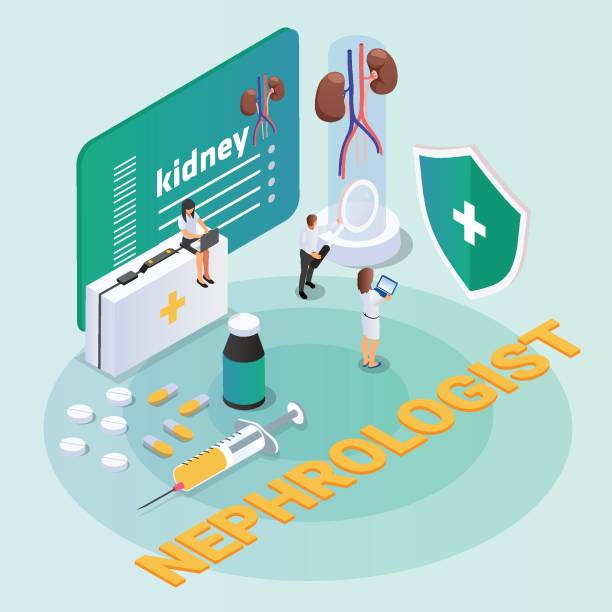

Kidneys play an essential role in maintaining overall health. They filter waste products and excess fluid from the blood, help regulate blood pressure, maintain the balance of minerals, and support red blood cell production. Despite their importance, kidney problems can develop gradually without causing noticeable changes in the early stages. Many people continue with their daily routines without realizing that their kidney function may be declining.
The good news is that kidney disease can often be detected before symptoms appear through simple blood and urine tests. Early identification allows doctors to investigate the cause, recommend appropriate treatment, and take steps to slow further damage. Consulting thebest nephrology hospital in Ahmedabad can help people at higher risk access specialist kidney evaluation, understand their test results, and receive guidance on protecting their kidney health.
Can Kidney Disease Be Detected Before Symptoms Appear?
Yes, kidney disease can often be identified before a person experiences any obvious symptoms. Chronic kidney disease develops when the kidneys have structural damage or reduced function that persists over time. During the early stages, the kidneys may continue performing many of their usual functions, even when damage has already begun.
This is why waiting for symptoms is not a reliable way to assess kidney health. Changes such as swelling, persistent tiredness, changes in urination, or reduced appetite may appear only when kidney problems have progressed. Some people may experience few or no symptoms even as their condition becomes more serious.
Routine screening helps identify warning signs that cannot be detected through physical appearance alone. Blood tests can estimate how effectively the kidneys filter waste, while urine tests can reveal the presence of albumin, a protein that may leak into the urine when the kidney’s filtering structures are damaged.
People at increased risk should discuss appropriate screening with their healthcare provider rather than assuming that the absence of symptoms means their kidneys are healthy.
Why Is Regular Kidney Screening Important?
Regular kidney screening helps detect changes in kidney function before they become more difficult to manage. This is especially important because chronic kidney disease can progress slowly over months or years. Identifying the condition early gives healthcare professionals an opportunity to address contributing factors and monitor changes over time.
For example, diabetes can damage the small blood vessels in the kidneys, while uncontrolled high blood pressure can place additional strain on these organs. Both conditions are major risk factors for chronic kidney disease. Screening can help identify kidney damage in people with these conditions, even when they feel completely well.
Early detection also helps doctors assess whether medications, blood pressure management, dietary changes, or other interventions are needed. Depending on the underlying cause, appropriate care may help slow disease progression and reduce the risk of complications.
Screening is not necessarily required at the same frequency for everyone. People with diabetes, hypertension, cardiovascular disease, or a family history of kidney failure may need regular testing. A healthcare professional can recommend an appropriate schedule based on individual risk and previous test results.
Which Tests Can Detect Kidney Disease Early?
Doctors generally use blood and urine tests together to assess kidney health. Each test provides different information, and considering both results can give a clearer picture of how the kidneys are functioning.
How Does a Blood Test Check Kidney Function?
A blood test commonly measures creatinine, a waste product produced by normal muscle activity. Healthy kidneys remove creatinine from the blood. When kidney function declines, the level may increase.
Doctors use the blood creatinine result, along with relevant personal information, to calculate the estimated glomerular filtration rate, commonly called eGFR. This estimate indicates how effectively the kidneys filter waste from the blood.
A persistently reduced eGFR can indicate chronic kidney disease, although the result must be interpreted in context. One abnormal result does not automatically confirm a chronic condition because temporary illness, acute kidney injury, and other factors can affect kidney function.
Comparing results from different appointments is often useful. Changes over time may help doctors determine whether kidney function is stable, improving, or declining.
Why Is a Urine Test Necessary?
A urine test can reveal kidney damage that may not be apparent from a blood test alone. One important measurement is the urine albumin-to-creatinine ratio, or UACR. Albumin is a protein normally found in the blood, and healthy kidney filters generally prevent excessive amounts from passing into the urine.
When the kidney filters are damaged, albumin may leak into the urine. An elevated UACR can therefore be an early sign of kidney damage, even when eGFR remains within a relatively normal range.
Doctors may also recommend a routine urinalysis to check for blood, protein, or other abnormalities. Depending on the findings, additional tests may be needed to understand the cause.
Using both eGFR and urine albumin measurements provides a more complete assessment than relying on either test alone. If a result is abnormal, repeat testing may be necessary to confirm whether the finding is persistent.
Are Imaging Tests Needed to Detect Kidney Problems?
Blood and urine tests are often the starting point, but imaging may be recommended when doctors need more information. A kidney ultrasound can help assess the size and structure of the kidneys and identify certain abnormalities, such as obstruction, cysts, or changes associated with long-standing disease.
Other investigations may be appropriate depending on the suspected cause. In selected cases, a kidney biopsy may be recommended to examine a small tissue sample and help establish a diagnosis.
Not everyone requires imaging or a biopsy. The choice of investigation depends on the patient’s symptoms, medical history, laboratory results, and the type of kidney disease being considered.
Who Should Get Regular Kidney Screening?
Although anyone can develop kidney disease, certain people have a higher risk and may benefit particularly from regular testing.
People living with diabetes should have their kidney health assessed according to their healthcare provider’s recommendations. Diabetes can damage kidney blood vessels over time, and kidney problems may develop before noticeable symptoms occur.
People with high blood pressure also need attention because hypertension can damage the kidneys, while kidney disease can make blood pressure more difficult to control. Monitoring both conditions helps doctors identify problems and adjust care when necessary.
A family history of kidney failure, cardiovascular disease, previous acute kidney injury, and certain autoimmune or inherited conditions may also increase risk. Long-term use of some medications, particularly certain painkillers, can contribute to kidney problems in susceptible individuals. Medication risks depend on the drug, dose, duration, and personal health circumstances.
People should not stop prescribed medicines on their own. Instead, they should review their medication use with a qualified healthcare professional, especially if they already have kidney problems or other risk factors.
What Happens If Kidney Disease Is Detected Early?
The next step after an abnormal screening result is to determine whether the finding is temporary, persistent, and related to kidney disease. Doctors may repeat blood or urine tests, review previous results, assess blood pressure, and investigate possible causes.
Chronic kidney disease is generally identified when reduced kidney function or other evidence of kidney damage persists for at least three months. A single abnormal test is not always sufficient to establish this diagnosis.
Treatment depends on the underlying cause and the extent of kidney damage. For some people, controlling blood pressure and blood sugar is a central part of management. Others may need medication adjustments, dietary guidance, treatment for a specific kidney condition, or closer monitoring.
Early management can also involve reducing factors that may worsen kidney health. This may include avoiding unnecessary use of potentially harmful medicines, staying physically active, following an appropriate eating plan, and attending scheduled follow-up appointments.
Not every person with chronic kidney disease will progress to kidney failure. The outlook depends on the cause, the level of kidney function, urine albumin levels, other medical conditions, and how the disease responds to treatment.
How Can You Maintain Better Kidney Health?
Everyday habits can support kidney health, particularly when combined with appropriate medical care. Maintaining healthy blood pressure, managing diabetes effectively, staying physically active, and following a balanced diet can help reduce the risk of kidney damage.
Drinking an appropriate amount of water is important, but excessive water intake does not prevent every type of kidney disease. People with advanced kidney disease or certain heart conditions may need specific fluid guidance from their healthcare team.
It is also important to avoid taking painkillers or herbal supplements regularly without understanding their potential effects on the kidneys. Some products can cause harm, particularly when used in high doses or alongside other medications.
Most importantly, people with known risk factors should not rely exclusively on lifestyle changes. Regular medical assessment and appropriate screening remain essential for detecting problems that may otherwise go unnoticed.
How Can You Choose the Right Hospital for Kidney Care?
Choosing a healthcare facility for kidney screening involves more than looking at its reputation. Patients should consider the availability of kidney function testing, access to experienced nephrologists, diagnostic facilities, and the ability to coordinate care for conditions such as diabetes and hypertension.
People searching for the best nephrology hospital in Ahmedabad may want to evaluate the hospital’s nephrology services, diagnostic support, specialist consultations, and follow-up arrangements. These factors can help patients understand whether a facility is equipped to support their particular needs.
For people who have multiple medical conditions, access to coordinated specialist care may also be important. When comparing the best multispeciality hospital in Ahmedabad, patients can consider whether different departments work together to assess related health concerns and develop an appropriate care plan.
A hospital’s suitability ultimately depends on the patient’s condition, the expertise required, and the services available. Early consultation with a qualified nephrologist can help people understand their test results and determine whether additional investigations or ongoing monitoring are necessary.
Frequently Asked Questions1. Can kidney disease exist without any symptoms?
Yes. Early chronic kidney disease often causes no noticeable symptoms. Blood tests that estimate kidney function and urine tests that measure albumin can help identify kidney problems before symptoms develop.
- Which tests are most important for early kidney disease detection?
The two key assessments are a blood test for creatinine, used to calculate eGFR, and a urine albumin-to-creatinine ratio test. Together, they help assess kidney filtering ability and detect signs of kidney damage.
- How often should kidney function be checked?
The frequency depends on personal risk and previous results. People with diabetes generally need regular kidney screening, often at least annually depending on their condition and clinical guidance. People with high blood pressure, cardiovascular disease, or a family history of kidney failure should ask their healthcare provider how often they need testing.
- Can kidney disease be reversed if detected early?
Some causes of kidney dysfunction, particularly certain acute conditions, may be reversible with appropriate treatment. Chronic kidney disease is not always reversible, but early management can help slow its progression, treat contributing conditions, and reduce complications.
- Which doctor should I consult for kidney screening?
A primary care doctor can arrange initial blood and urine tests and assess common risk factors. A nephrologist, a specialist in kidney diseases, may be needed when results are abnormal, kidney disease is suspected, or more specialized evaluation and treatment are required.
Conclusion
Kidney disease can often be detected before symptoms appear, making regular screening an important part of preventive healthcare. Blood tests, urine albumin measurements, and appropriate follow-up investigations can help identify early changes and guide medical decisions.
People with diabetes, high blood pressure, cardiovascular disease, or a family history of kidney problems should discuss a suitable screening schedule with their healthcare provider. Even when results are abnormal, further assessment is important before concluding that chronic kidney disease is present.
Taking kidney health seriously does not always require complicated procedures. For many people, timely testing, careful monitoring, and appropriate medical guidance are the first steps toward protecting kidney function and maintaining long-term health.