
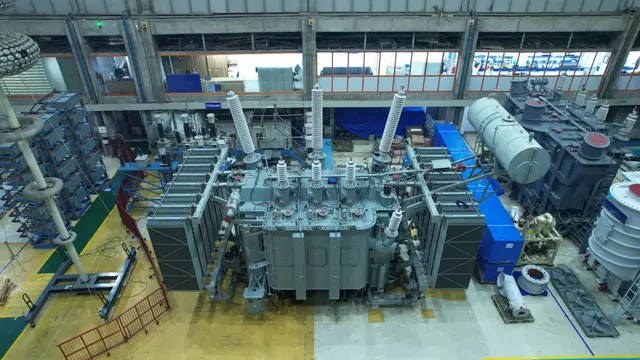

Power transformers are essential for maintaining a reliable electricity supply across industrial facilities, substations, commercial developments, and utility networks. In Saudi Arabia, where electrical equipment may operate under high ambient temperatures and demanding load conditions, regular transformer maintenance is particularly important. A small issue, such as a blocked cooling passage or deteriorating insulation, can gradually develop into a serious fault if it goes unnoticed.
For businesses comparing power transformer suppliers, reliability should be an important consideration alongside equipment specifications, manufacturing quality, and technical support. However, even a well-designed transformer needs suitable installation, correct operation, and ongoing condition monitoring to perform reliably throughout its service life.
Understanding why transformers fail helps electrical engineers, facility managers, and maintenance teams identify warning signs before they lead to unplanned shutdowns. Although not every failure can be prevented, many risks can be reduced through appropriate operating practices and timely maintenance.
What Are the 10 Common Causes of Power Transformer Failure?
1. Excessive Operating Temperature
Heat is one of the major factors affecting transformer performance and insulation life. When a transformer operates above its permitted temperature limits, the insulating materials can deteriorate more quickly. Prolonged overheating may eventually lead to insulation breakdown and winding damage.
In Saudi Arabia, high outdoor temperatures can make heat management especially important during demanding operating periods. Dust accumulation on radiators and restricted airflow may further reduce cooling efficiency.
To reduce this risk, maintenance teams should monitor oil and winding temperatures, check cooling fans and pumps where fitted, and keep radiator surfaces clear of obstructions. Load levels should also remain within the manufacturer’s specified operating limits.
2. Insulation Deterioration
Transformer insulation separates electrical conductors from one another and from grounded components. Over time, insulation can weaken because of heat, moisture, electrical stress, and natural ageing. Once its dielectric strength declines sufficiently, an electrical fault may develop inside the transformer.
Insulation problems do not always produce visible external signs. Regular insulation resistance measurements and other suitable diagnostic tests can help identify changes in condition. For oil-filled transformers, oil testing and dissolved gas analysis may provide additional evidence of developing internal faults.
The most effective approach is to establish a maintenance baseline, compare new test results with previous readings, and investigate significant changes rather than relying on a single measurement.
3. Moisture Contamination
Moisture can enter a transformer through damaged seals, leaking gaskets, unsuitable maintenance practices, or problems with the oil preservation system. It can also accumulate in solid insulation over time. Excess moisture reduces the electrical strength of insulating oil and accelerates the ageing of paper insulation.
Saudi Arabia’s generally dry climate does not eliminate this risk. Moisture may still enter during transportation, storage, installation, maintenance, or periods of exposure to humid coastal conditions.
Technicians should inspect seals, gaskets, breathers, and moisture-control equipment where applicable. Oil and insulation condition should be assessed using appropriate tests, and any drying or oil-treatment work should follow the manufacturer’s recommendations.
4. Transformer Overloading
Every transformer is designed for specified electrical and thermal operating conditions. When demand consistently exceeds its rated capability, winding temperatures and insulation stress can increase. Repeated overloading may shorten equipment life, while severe overloads can cause protective trips or damage.
Industrial plants, expanding commercial facilities, and electrical networks experiencing changes in demand should periodically review transformer loading. Engineers can examine load profiles, peak demand, ambient temperatures, and expected future requirements to determine whether the existing installation remains suitable.
Load management, correctly sized equipment, and appropriate protection settings can reduce this risk. Any temporary overload should be assessed against the manufacturer’s guidance and applicable operating requirements rather than treated as automatically acceptable.
5. On-Load Tap Changer Problems
An on-load tap changer allows a transformer to adjust its voltage ratio while remaining connected to the electrical supply. It is an important component in systems where voltage regulation must be maintained as operating conditions change. Mechanical wear, contact deterioration, contaminated oil, or problems with the operating mechanism can affect its performance.
Warning signs may include unusual operating noise, abnormal temperature readings, repeated alarms, or problems during tap-changing operations. The exact symptoms depend on the equipment design and the nature of the fault.
Preventive measures include inspecting the tap changer according to the manufacturer’s maintenance schedule, checking its operating mechanism, and testing its insulating oil where applicable. Any irregular operation should be investigated by qualified personnel before it develops into a more serious problem.
6. Bushing Damage or Failure
Bushings provide insulated paths for electrical conductors to pass through the transformer tank or enclosure. Because they operate under electrical stress and are exposed to environmental conditions, damage to their insulation, seals, or connections can create a risk of flashover or internal faults.
Dust, surface contamination, cracked porcelain or composite materials, moisture ingress, and loose connections can all contribute to bushing problems. In Saudi Arabia, outdoor installations may also require attention to dust accumulation and the effects of local environmental conditions.
Routine inspections should look for visible cracks, oil leakage where applicable, contamination, and signs of overheating around connections. Electrical testing should be carried out when indicated by the equipment’s condition or maintenance plan. Damaged bushings should be assessed promptly by qualified specialists.
7. Lightning Strikes and Switching Surges
Transformers can experience sudden overvoltage conditions caused by lightning or switching operations within the electrical network. These events can place considerable stress on winding insulation and other internal components. If the electrical stress exceeds the equipment’s withstand capability, insulation damage or failure may occur.
A suitable protection system helps reduce this risk. Engineers should ensure that surge arresters are correctly selected, installed, grounded, and maintained in accordance with the system design. Protective coordination is also important so that the transformer receives appropriate protection against foreseeable electrical disturbances.
After a significant electrical event, operators should review any protective relay operations, alarms, or abnormal readings. Further inspection and testing may be necessary before returning affected equipment to service.
8. Loose Connections and Winding Damage
Electrical connections that become loose, corroded, or deteriorated can develop localised hot spots. Continued heating may damage nearby insulation and increase the likelihood of a fault. Winding damage can also result from short-circuit currents, mechanical movement, or severe electrical disturbances.
These problems may not be apparent during a basic visual inspection, particularly when the affected components are inside the transformer. Thermal imaging can help identify certain external connection problems, while winding resistance measurements and other diagnostic tests can support a more detailed investigation.
Maintenance teams should inspect accessible connections, follow specified tightening requirements, and investigate abnormal temperature patterns. Internal inspections should be considered when test results, protection events, or other evidence indicate a possible winding or structural problem.
9. Inadequate Maintenance and Condition Monitoring
A transformer may continue operating while its condition gradually deteriorates. Without appropriate inspections and testing, developing faults can remain undetected until they cause a forced outage or equipment damage.
An effective maintenance programme should be based on the transformer’s design, age, operating history, criticality, and site conditions. Depending on the equipment, this may include insulating oil analysis, dissolved gas analysis, insulation testing, thermal inspections, bushing assessments, and checks of cooling equipment and protective devices.
For facilities in Saudi Arabia, maintenance planning should account for actual site conditions, including heat, dust, coastal exposure where relevant, and the importance of maintaining power availability. Keeping reliable records makes it easier to identify changes over time and prioritise corrective work.
10. Manufacturing or Design Defects
Not every transformer failure originates during operation. Issues involving material quality, winding construction, insulation processing, assembly, or design suitability can contribute to problems later in service. Poor handling and transportation can also damage equipment before commissioning.
This is why choosing a capable manufacturer matters. When comparing transformer manufacturing companies, buyers should review the manufacturer’s engineering capabilities, quality-control procedures, applicable standards, factory test documentation, and ability to meet the project’s operating requirements.
Transformers & Rectifiers (India) Ltd. (TARIL), through its official website, describes its work in power transformer manufacturing and its emphasis on engineering, quality, and testing. Its product portfolio includes power transformers for utility, industrial, and infrastructure applications. Buyers in Saudi Arabia should confirm the specifications, testing documentation, environmental suitability, and project requirements for the particular unit being considered.
Preventing design- or manufacturing-related problems starts with clear technical specifications, appropriate design review, documented inspections, and required factory acceptance tests before dispatch. Correct transportation, installation, and commissioning procedures are equally important.
How Can Power Transformer Failures Be Prevented?
Preventing transformer failure requires more than responding to alarms after they occur. A combination of suitable equipment selection, regular monitoring, and timely maintenance offers a more reliable approach.
First, operate the transformer within its specified electrical and thermal limits. Monitor loading, oil temperature, winding temperature, and cooling performance, using the indicators and monitoring systems available on the equipment.
Second, follow a maintenance schedule based on the manufacturer’s instructions and the actual operating environment. Oil testing, electrical diagnostics, inspections, and condition monitoring can reveal developing problems before they become severe. Test results should be compared with previous readings so that gradual deterioration is not overlooked.
Third, maintain the complete protection system. Surge arresters, protective relays, alarms, and trip mechanisms should be checked as required to ensure that faults can be detected and addressed appropriately.
Finally, maintain accurate records of inspections, test results, faults, repairs, and operating events. These records help engineers recognise recurring issues and make informed decisions about repairs, refurbishment, or replacement.
Why Does Transformer Reliability Matter in Saudi Arabia?
Reliable transformers are essential to substations, industrial plants, manufacturing facilities, infrastructure projects, and other operations that depend on a stable electrical supply. In Saudi Arabia, project requirements may vary considerably between inland industrial sites, coastal installations, and utility substations.
Equipment selection should therefore account for the intended application, rated voltage, load profile, cooling arrangement, insulation system, and relevant environmental conditions. High ambient temperatures and airborne dust may influence cooling and maintenance requirements, while coastal sites may need additional consideration of corrosion and contamination.
Working with experienced manufacturers and qualified electrical professionals can help project owners establish appropriate technical requirements from the beginning. It is also important to verify applicable Saudi project specifications and utility requirements rather than assuming that one design or maintenance approach suits every installation.
A well-planned maintenance programme, supported by sound engineering and appropriate monitoring, can reduce avoidable failures and help extend a transformer’s useful service life.