
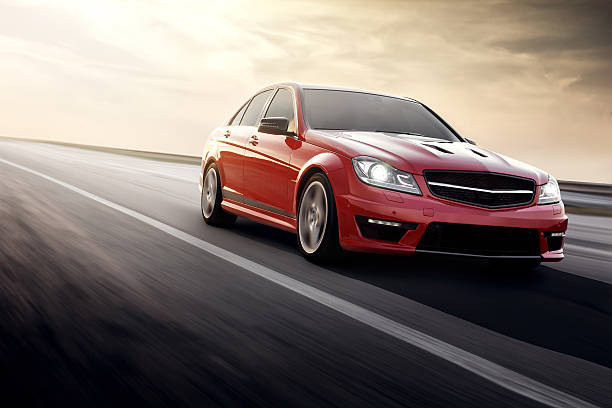

An automobile is more than a mechanism. It’s a tale, a representation, and frequently a window into our personalities. Over the years, cars have evolved into much more than just means of transportation; they are now status symbols, cultural icons, and extensions of lifestyle. They do more than simply transport us; they convey a message about our origins, values, and desired public image.
These days, vehicles are a nexus of identity, desire, emotion, and design. Pop culture, urban development, and individual expression all include them. Looking only at the road is insufficient to comprehend modern life; you also need to look beyond the wheel.
Signs of Individuality and Freedom
Signs of Liberty and Personality
Car ownership, particularly the first one, has long been a rite of passage in many societies. It is a show of maturity, independence, and the ability to go as you like. In rock music, literature, and road trip movies, the vehicle has long been associated with the spirit of adventure and escape.
Whether we drive a stylish convertible for city cruising or a tough SUV suited for adventure, our car typically symbolizes who we are. More important than horsepower is our self-image, or the story we create about who we are and how we navigate the world.
Pop Culture’s Use of Automobiles
Cars are among the few items that have had such a profound influence on popular culture. Consider the Batmobile in its several iterations, the Ford Mustang in Bullitt, or the DeLorean in Back to the Future. In addition to carrying people, cars have also been used as independent characters to convey story, atmosphere, and cultural significance.
In music, vehicles represent freedom, rebellion, prosperity, and identity, from Springsteen’s boundless highways to hip-hop’s opulent sedans. The distinction between utility and lifestyle branding is blurred in fashion when automobiles are used in runway presentations, advertising campaigns, and even brand partnerships.
In this way, the vehicle is more than just a means of transportation; it is a cultural symbol of aspiration, prestige, and personal preference.
Self-Expression via Design
The modern automobile customer is more and more influenced by design. Lighting, interior design, color, shape, and even sound characteristics are important. Customization is essential, ranging from eco-friendly interiors and matte finishes to sound systems that can compete with home theater systems.
Similar to how they curate their houses or clothing, some people curate their automobiles. Automobiles become becoming personal canvases, combining design, technology, and individuality. A car must not only function for the modern driver, but also reflect.
From Status Symbol to Statement on Sustainability
Luxury vehicles were used as status symbols in previous decades; the larger and more ostentatious the car, the better. However, in the increasingly socially conscious world of today, priorities are changing. Efficiency, creativity, and sustainability are now equally important status markers.
For example, owning a Tesla is more than simply driving an EV; it’s also about being associated with an eco-aware, progressive persona. Similarly, a minimalist, conscientious lifestyle is indicated by small electric or hybrid vehicles. Identity and values are becoming more and more ingrained in the engine itself in this day and age.
A Gallery of Lifestyles in the Garage
Many automobile enthusiasts collect, restore, exhibit, or get fixated with their vehicles in addition to driving them. Garages turn into places of refuge. Car exhibitions become into social events. Meetings and online forums become into places where individuals may connect around common innovations, histories, or aesthetics.
Automobiles are lifestyle artifacts that people use to express their passions, create communities, and discover their legacy, whether they are future prototypes or antique muscle cars.
In conclusion,
In addition to moving us physically, cars have always had a cultural and emotional impact. From being instruments of transportation to becoming emblems of identity, lifestyle, and ideology, they are still evolving today. Beyond the wheel, whether it’s the thunder of a vintage engine or the almost quiet glide of an electric car, there’s more than just metal—there’s meaning.
A automobile is never simply a car in the end. The future is still being written, and it’s a tale on wheels.